

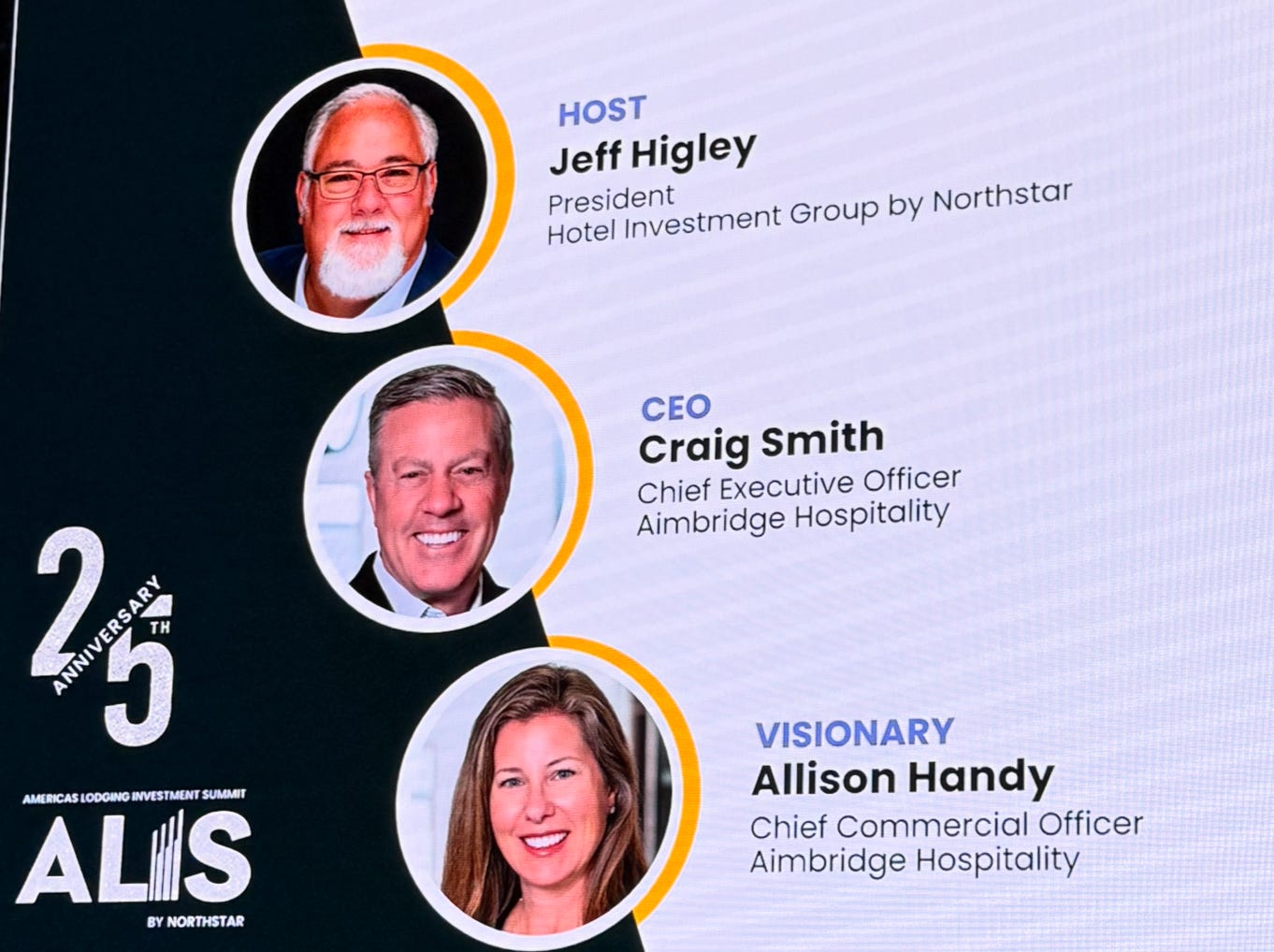
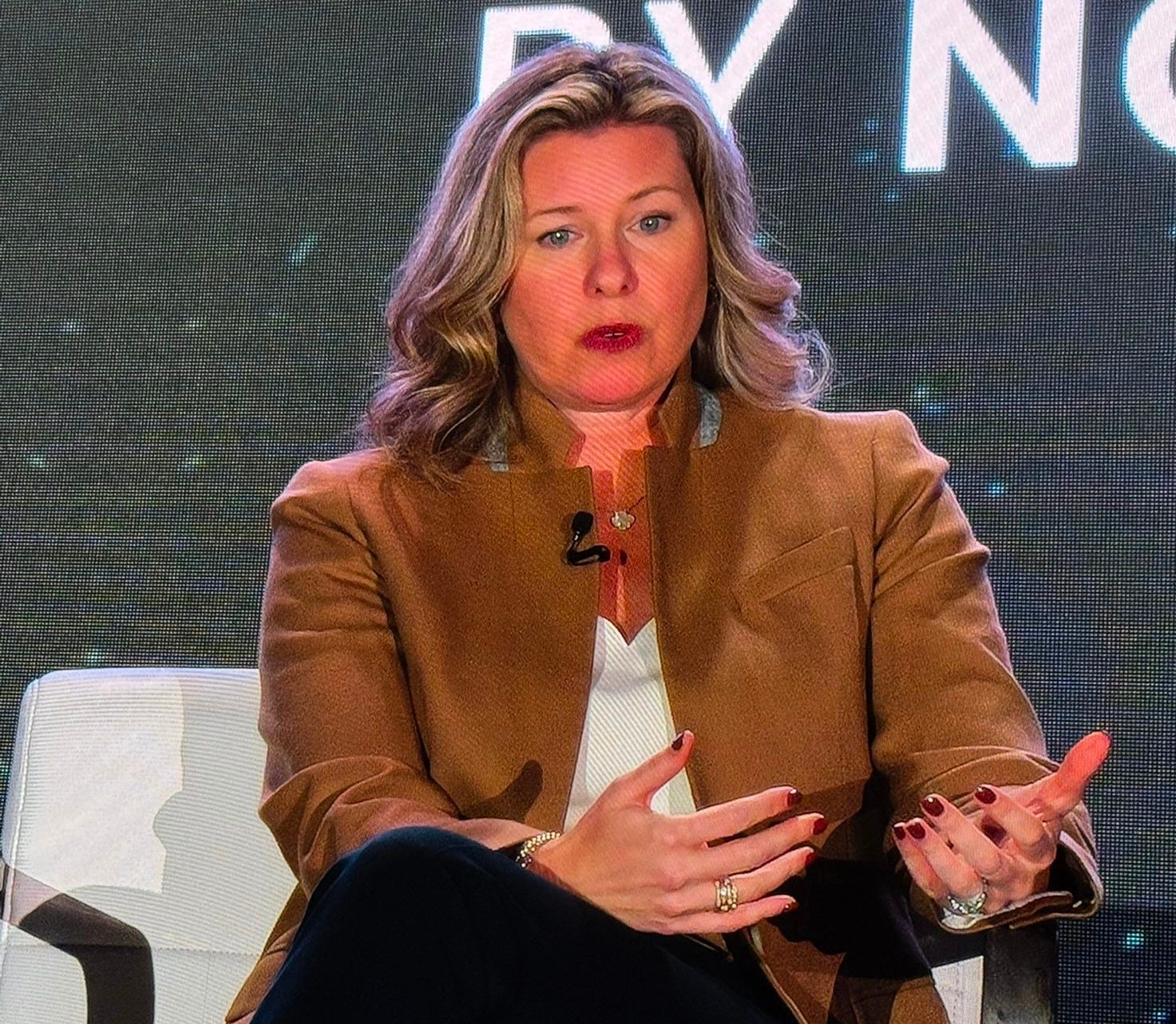
Sitting in the audience at ALIS last week, the conversation between Craig Smith and Allison Handy of Aimbridge Hospitality landed differently than most CEO | CCO panels.
Yes, there was plenty of talk about performance culture, financial discipline, rising costs, and the reality of running hotels in a predictably unpredictable market. That’s table stakes at ALIS.
But then the conversation turned to AI, and that’s where it got interesting.
AI Isn’t Just Tech. It’s the New Front Desk.
Allison made a point that’s still rattling around in my head: AI is about to become the gatekeeper of travel decisions.
Not in a sci-fi way. In a very practical, very human one.
Travel agents used to decide where you stayed.
Then OTAs.
Now: conversational AI.
Instead of scrolling endless options, travelers will ask a question, like Craig posed:
“Where should I stay if I want a hotel with a great pool for my kids, walkable restaurants, and a calm vibe?”

And the answer won’t be a list of 50 hotels.
It’ll be one or two.
That’s a seismic shift.
When AI Chooses, Narrative Matters
Here’s the takeaway that matters for owners, operators, and designers alike:
If AI is doing the choosing, your story becomes your shelf space.
Craig and Allison weren’t talking about chasing shiny tech. They were talking about fundamentals:
Clear, accurate property descriptors
Consistency across websites, OTAs, and review platforms
Content written to answer questions, not just list amenities
“Pool” isn’t enough anymore.
Neither is “great location.”
AI needs context.
Guests need meaning.
And the hotels that win will be the ones whose story is coherent, specific, and trustworthy - because AI rewards clarity the same way humans do.
A Personal Realization (and a Little Origin Story)
Here’s the part that hit closer to home.
I started my podcast because I genuinely love doing it, the conversations, the curiosity, the humanity of this industry.
But there was another reason, too.
Early on, I ran into a fair amount of industry gatekeeping. I was told, sometimes explicitly, sometimes implicitly, that I couldn’t moderate panels, emcee events, or give a keynote because I was a vendor, not a sponsor. Or not the right kind of participant. Or not wearing the right badge.
That never sat right with me.
So I built my own table.
The podcast became a way to moderate the conversations I cared about, talk with incredible people, and share their lived experiences with others, especially those who can’t attend ALIS, BDNY, HD Expo, or any number of great industry gatherings.
At its core, the pod is about shortening journeys, giving people access to ideas, stories, and perspectives without needing the right invite, budget, or title.
Listening to Craig and Allison last week reframed that for me in a new way.
The podcast isn’t just something I enjoy.
It’s a way to help tell better stories, with thoughtful, curious humans, inside one of the most relationship-driven industries out there.
In a world where AI increasingly decides who gets surfaced, long-form conversations, nuance, and human context aren’t indulgences.
They’re inputs.
Two Tracks, Not One
Another moment that stood out: this isn’t an either/or transition.
Aimbridge isn’t abandoning paid search or traditional distribution. They’re running two tracks at once:
The proven, performance-driven channels that still work today
The emerging AI-driven discovery paths that will matter tomorrow
I’ve seen this movie before.
Digital didn’t kill sales teams.
OTAs didn’t eliminate brands.
The winners were the ones who learned to operate in parallel.
The “2×2” That Stuck With Me
One more idea I really liked - and it didn’t have anything to do with tech.
Aimbridge’s 2×2 mentoring program: every leader is responsible for mentoring two people below them, and helping identify who’s ready for the next step.
Simple. Scalable. Human.
In an industry obsessed with systems, dashboards, and tools, it was a reminder that talent compounds when someone actually takes ownership of developing people - not just managing them.
AI may change distribution.
It doesn’t replace apprenticeship.
Culture Is the Multiplier
What tied the whole conversation together was people.
Performance culture.
Curiosity.
Mentorship.
Developing talent that can think differently - and challenge leadership when needed.
AI may be the gatekeeper.
But humans still write the story.
And if hotels are ultimately in the business of care, memory, and experience, then the way we describe, document, and communicate those experiences is no longer marketing fluff.
It’s operational strategy.
The Front-Row Takeaway
As AI quietly starts shaping where people travel, stay, and spend time, the competitive advantage won’t come from louder ads or more channels.
It will come from:
Better storytelling
Cleaner data
More intentional narratives
Teams curious enough to keep learning
In a world where machines answer the question, the hotels that tell the clearest story get chosen.
That was the real lesson from the front row.
Couldn't agree more; this shift towards AI curation truly makes narrative the new prime realestate.
This breakdown of AI's shift from tech to gatekeeper is really spot-on. The idea that AI will surface maybe 1-2 hotels instead of 50 changes everything about how we think about discoverability. I've noticed this even in how I search for travel now-I'm askign more natural questions instead of filtering endlessly. The key insight about needing coherent, specific narratives isn't just marketing, its operational infrastructure at this point.