

If my first ALIS takeaway was about AI becoming the new gatekeeper, this one was about something far more analog, and arguably more powerful.
Food & Beverage is no longer an accessory. It’s the opening move.
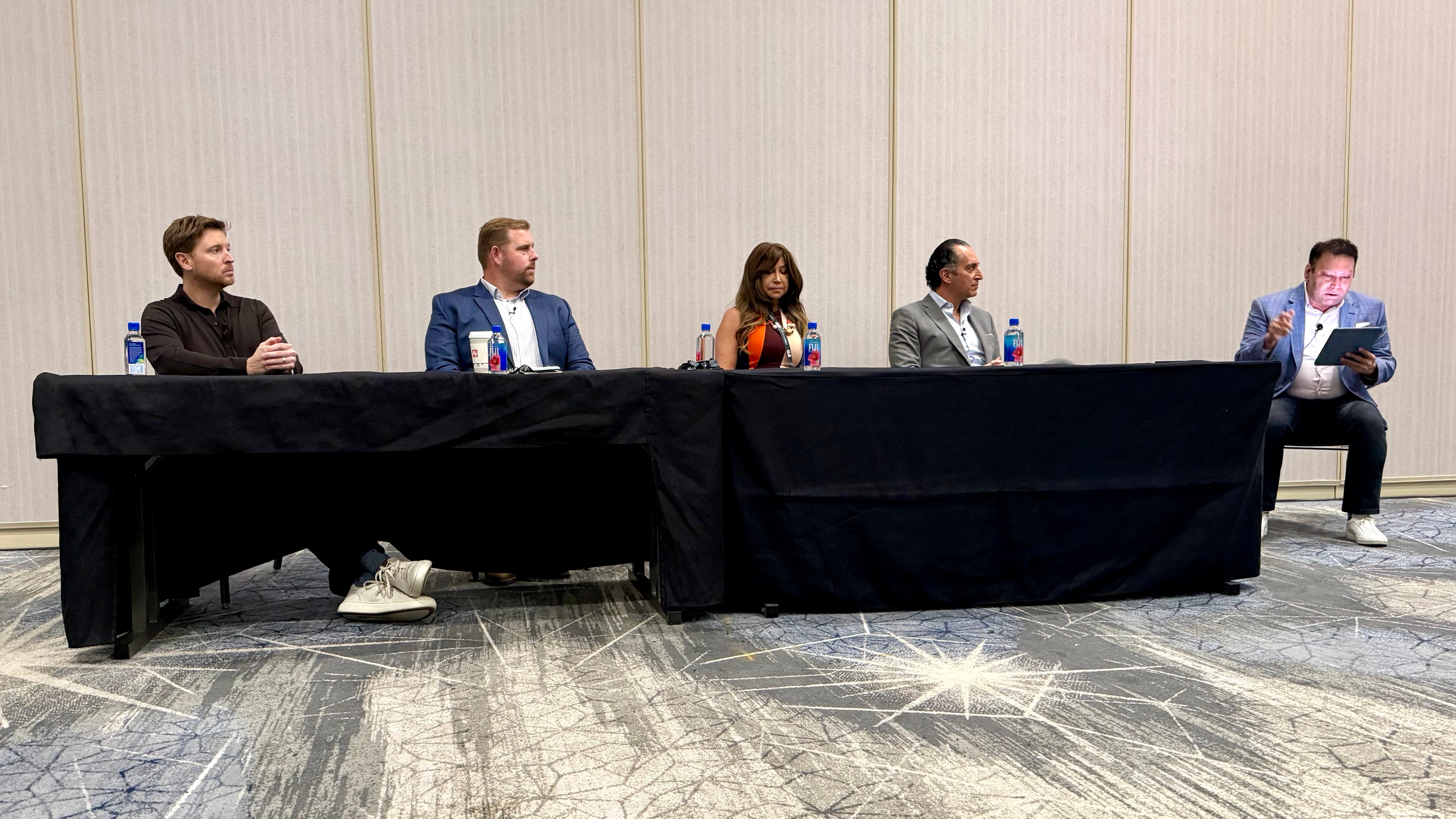
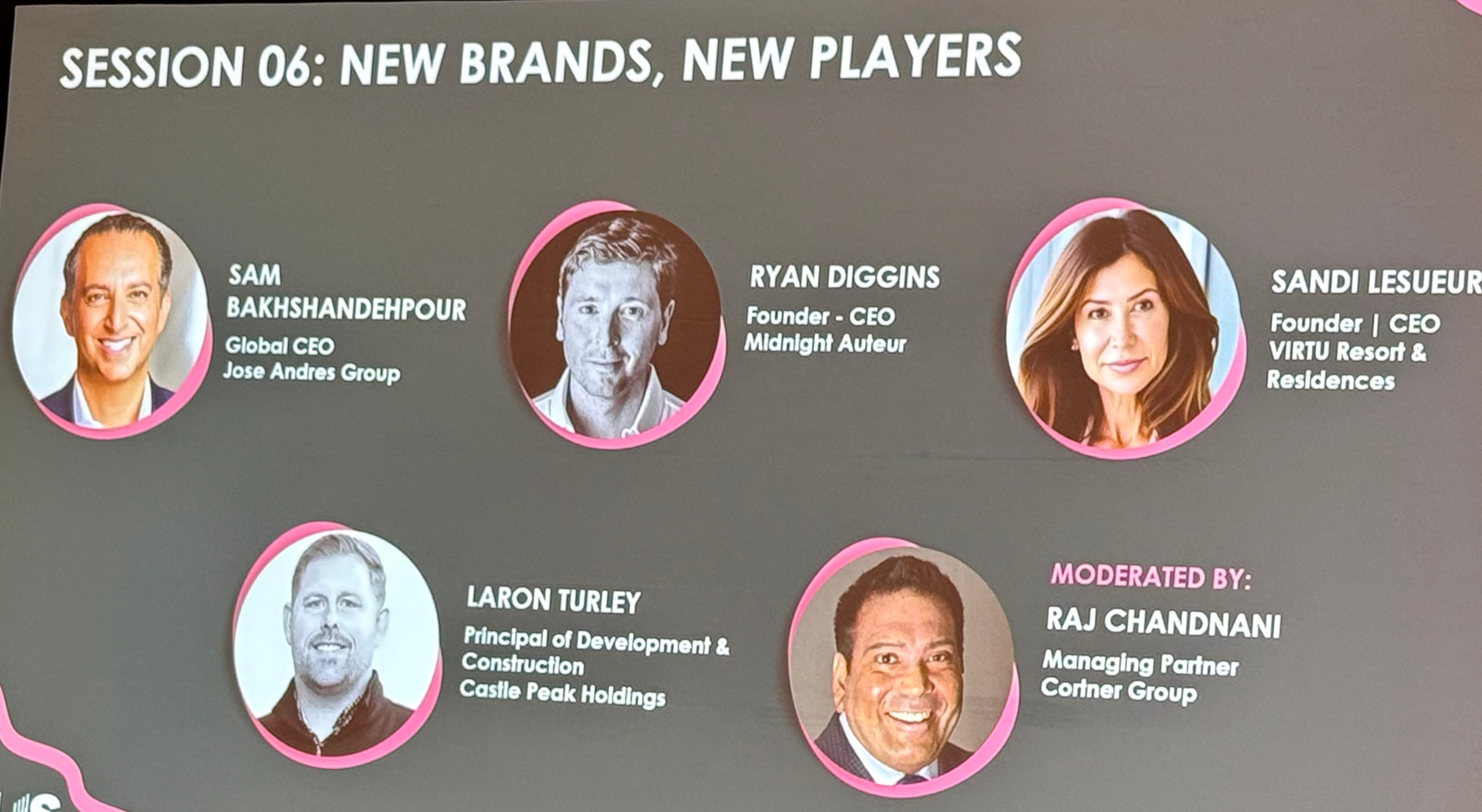
The New Brands, New Players panel reinforced a shift I’ve felt building for a while. A few speakers didn’t just talk about it, they put real evidence behind it. In doing so, they exposed how traditional hotel funding and valuation models are making this trend harder than it needs to be.
Start With the “B”

What stood out most was how deliberately Ryan Diggins (The Ramble, Denver, and now Municipal Grand in Savannah) and Sam Bakhshandehpour framed their thinking.
Not: How do we bolt on F&B?
But: What happens if the bar, café, or restaurant is the reason the hotel exists?
At The Ramble, Ryan didn’t treat F&B as an amenity or a loss leader. He treated it as the living room for the neighborhood, and let the rooms follow.
I asked Ryan directly about the elephant in the room.
Traditional hotel underwriting still treats F&B as a valuation drag.
He didn’t dodge it.
Yes, conventional lenders get uncomfortable.
Yes, rooms still drive most hotel financial models.
But here’s the counterpunch.
There are times when The Ramble’s rates are scratching at the Four Seasons Denver, just down the street.
Not because the rooms were bigger.
But because the experience was.
And a huge part of that experience came from leading with the B, specifically Death & Co, whose gravity created real tailwinds for the entire property.
That’s why Ryan and David Kaplan (of Death & Co and a past Defining Hospitality guest - way back in Episode #036) decided to launch Midnight Auteur, a hotel management company that leads with F&B instead of apologizing for it.
That’s not theory.
That’s market proof.

F&B as Brand Gravity
Sam B took it even further.
What the José Andrés Group has built, among many other things, isn’t restaurants in hotels.
It’s hospitality that sometimes happens to include rooms.
Breakfast.
Lunch.
Dinner.
Lobby bar.
Rooftop.
In-room dining.
All “six pillars”. All intentional. PS - when Sam said there were 6 pillars, I felt a little overwhelm - I thought 3 or max 4 pillars are all that are needed when trying to communicate clarity and brands . But then I heard him say that the 6 pillars are the 6 potential F&B Pillars that can exist within a hotel.
When done well, F&B doesn’t just support ADR. It pulls it.
The takeaway wasn’t that every hotel needs a celebrity chef: nota been: Jose is famous, and a force for good, but the 6 pillars can be approached by any Hosptiality Entrepreneur.
It was that energy, place-making, and repeat local traffic are now core brand infrastructure for certain types of properties. Especially those willing to lean into their inner independent rebel.
A Trailborn Shoutout (and Why It Matters)
I also want to call out Laron Turley and the Trailborn platform.
Trailborn is doing something quietly radical.
They control their own brand standards while operating under Marriott’s umbrella.
That balance, owning the ethos while leveraging distribution, is rare.
BERMANFALK is proud to have worked on part of this project with Laron and the team on Trailborn Surf & Sound, and you can feel it in real time. Design freedom. Local specificity. A brand narrative that doesn’t feel templated.

That autonomy shows up in the guest experience, and ultimately, in the numbers.
The Bigger Pattern I’m Seeing
Across the panel, from wellness-forward concepts to outdoor hospitality to chef-led platforms, the throughline wasn’t size or scale.
It was conviction.
A strong point of view.
A clear audience.
Local relevance.
Experiences locals actually want to be part of.
Which brings me back to why this session mattered.
Why This Resonated With Me
This panel reinforced something I’ve come to believe more deeply over time.
The most compelling hospitality brands don’t start with flags or standards.
They start with people, place, and purpose, and then figure out how to finance it.
Yes, AI may soon decide which hotel gets surfaced.
But it’s still humans who decide where the energy is.
Tell the story.
Be specific.
Don’t let legacy models, or algorithms, gatekeep you.
And more often than not, that energy starts at the bar
I love these conferences and I love sharing them with all of you, from the front row.
Powers in the numbers. Use the numbers of what Death & Co. is doing to tell the story. Then owner/operators will listen!!
Completely agree. What still feels unresolved is that we’re asking F&B to do brand, placemaking, and revenue work, while underwriting and ops frameworks still treat it like a liability. Until those systems catch up, the gap between conviction and execution stays real.